PMHNP vs. Psychiatrist: What Is the Difference?
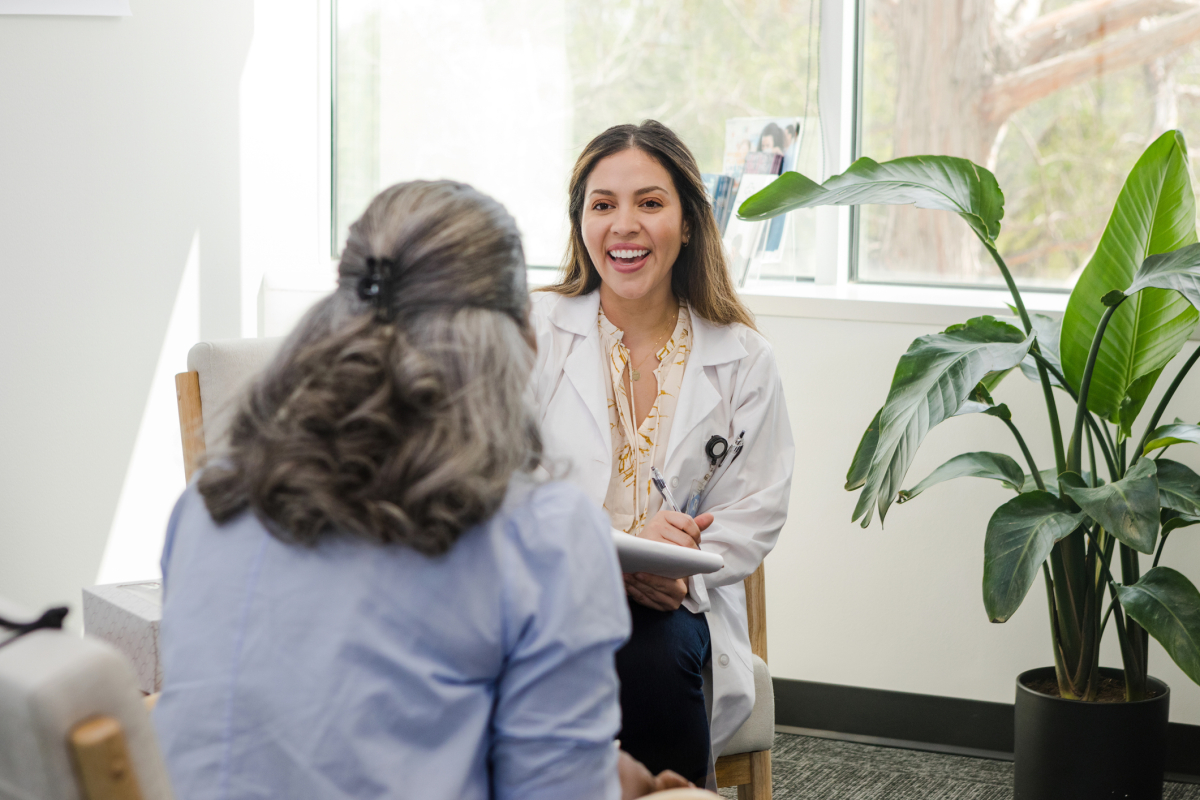
Both psychiatric mental health nurse practitioners (PMHNPs) and psychiatrists play vital roles in mental healthcare, but they fill distinct roles, follow different training pathways, and often focus on different patient populations or care settings.
Psychiatrists are medically trained physicians who diagnose and treat complex psychiatric conditions, with a strong emphasis on medical evaluation and advanced medication management. PMHNPs, on the other hand, combine nursing and psychiatric education to deliver holistic mental healthcare, often emphasizing psychotherapy, patient education, and collaborative treatment planning.
Understanding how their training, scope of practice, and treatment approaches differ will help clarify where each works, how they deliver care, and which patient demographics they most often serve
What Is a PMHNP?
A PMHNP is often the primary mental health provider who patients encounter in community clinics and integrated health settings. PMHNPs have advanced education and training in psychiatric assessment, psychotherapy, and psychopharmacology. Depending on state regulations, their scope of practice may include diagnosing patients, providing therapy, and managing medications.
The typical responsibilities of PMHNPs include:
- Conducting comprehensive psychiatric assessments, including mental health history, symptom review, and risk evaluation
- Diagnosing common mental health disorders such as depression, anxiety, PTSD, and substance use disorders
- Developing and implementing individualized treatment plans that integrate psychotherapy, psychoeducation, and medication management
- Prescribing psychotropic medications within state regulations and monitoring therapeutic response and side effects
- Providing individual, family, or group therapy using evidence‑based models Coordinating care with primary care providers, therapists, social workers, and community resources
- Educating patients about medication adherence, coping strategies, and relapse prevention
- Maintaining accurate clinical documentation, treatment plans, and progress notes consistent with legal and ethical standards
- Participating in quality improvement initiatives, case reviews, and interdisciplinary team meetings
- Delivering telehealth services and remote monitoring when applicable
PMHNPs treat patients across the lifespan — from children and adolescents to adults and seniors — depending on their training, certification, and area of focus. Their scope of practice varies by state and may include full independent practice and prescriptive authority or require physician collaboration.
They commonly work in outpatient clinics, community mental health centers, primary care offices, hospitals, inpatient psychiatric units, telehealth platforms, correctional facilities, school systems, and private practices.
What Is a Psychiatrist?
A psychiatrist is a Doctor of Medicine or Doctor of Osteopathic Medicine who has completed medical school and a psychiatry residency. Psychiatrists are trained to evaluate psychiatric symptoms in the context of overall medical health, manage complex medication regimens, and treat severe or medically complicated mental illnesses.
The typical responsibilities of psychiatrists include:
- Performing detailed psychiatric evaluations that integrate medical history, laboratory data, and physical exam findings
- Diagnosing complex psychiatric conditions, including severe mood disorders, psychotic disorders, neurocognitive disorders, and treatment‑resistant illnesses
- Formulating and managing advanced medication regimens, accounting for drug interactions, medical comorbidities, and biologic treatments
- Providing psychotherapy when trained or collaborating with psychologists and therapists to deliver integrated care
- Offering specialized interventions
- Consulting on cases with medical and psychiatric overlap, including consultation‑liaison psychiatry for medically ill patients
- Supervising multidisciplinary teams in inpatient units, day programs, and community services
- Leading or participating in clinical research, protocol development, and teaching within academic or hospital settings
- Maintaining detailed medical records and completing legal or forensic documentation when required
- Providing crisis management for acute psychiatric emergencies and coordinating higher‑level care or hospitalization when necessary
Psychiatrists treat patients across all age groups, but they most often manage the most medically complex or severe psychiatric cases. Their scope of practice includes full prescriptive authority and the ability to perform or supervise advanced medical procedures related to psychiatry.
They work in a wide range of settings, including outpatient private practices, hospital psychiatric units, emergency departments, forensic programs, academic medical centers, consultation‑liaison roles in general hospitals, specialty clinics, and research institutions.
Similarities Between PMHNPs and Psychiatrists
Before exploring what sets PMHNPs and psychiatrists apart, understanding their similarities is helpful.
Together, they make mental healthcare more accessible and responsive to patient needs. Psychiatrists bring a medical lens suited to complex or treatment-resistant disorders, while PMHNPs provide care in community and primary care settings where shortages are common. The collaboration between these professionals helps bridge the growing gap between demand for psychiatric services and the availability of qualified providers — especially in rural and underserved areas.
The shared responsibilities of these roles include:
- Assessing mental health symptoms and making formal psychiatric diagnoses
- Developing individualized treatment plans that may include psychotherapy, medication, or referrals to other healthcare providers
- Monitoring treatment progress and adjusting care based on patient response and side effects
- Educating patients and their families about mental illness, coping strategies, and community resources
- Collaborating with interdisciplinary teams — such as primary care providers, therapists, and social workers — to provide the most comprehensive care possible
From a patient’s perspective, deciding between a PMHNP vs. a psychiatrist often depends on the severity and complexity of the condition, access to care, cost and insurance coverage, and personal preference for a particular care style. Both professions are dedicated to improving mental health outcomes and can play a central role in a patient’s care team when their expertise is understood and coordinated.

PMHNP vs. Psychiatrist: Career Path Comparison
Both PMHNPs and psychiatrists are essential to mental healthcare, but their career paths differ in educational and certification requirements, skill sets, and long-term outlook.
While both paths lead to advanced clinical practice, they differ considerably in cost, duration, and emphasis. Psychiatrist training typically spans more than a decade, including medical school and residency, and includes training in the medical model of care. The PMHNP pathway, by contrast, usually takes six to eight years from undergraduate study to advanced practice licensure and focuses on holistic, patient-centered models of care. Prospective students often weigh timelines, tuition requirements, and career flexibility when deciding which role best aligns with their long-term goals.
Education and Certification Requirements
Both PMHNPs and psychiatrists must complete formal education programs, engage in supervised clinical training, and obtain professional licensure to practice. However, the duration, structure, and focus of those pathways differ.
PMHNPs follow a nursing‑based route that includes graduate-level training in psychiatric care, while psychiatrists complete medical school and a multiyear residency emphasizing the medical aspects of mental illness.
How to Become a PMHNP
- Earn a Bachelor of Science in Nursing or an equivalent nursing qualification.
- Obtain licensure as a registered nurse by passing the national licensing examination.
- Gain clinical nursing experience — often in medical‑surgical, psychiatric, or community settings — to build foundational skills.
- Complete a graduate nursing program (Master of Science in Nursing or Doctor of Nursing Practice) specializing in psychiatric‑mental health. Coursework typically covers advanced health assessment, psychopharmacology, psychotherapy modalities, and population‑based care.
- Complete supervised clinical practicum hours in psychiatric settings, as required by the program and certifying bodies.
- Pass the Psychiatric‑Mental Health Nurse Practitioner board certification examination to earn the Psychiatric‑Mental Health Nurse Practitioner-Board Certified credential, and apply for advanced practice licensure in the practicing state or jurisdiction.
- Meet any state licensure requirements defining prescriptive authority and practice autonomy; some states require a collaborative agreement with a physician.
- Maintain credentials through ongoing continuing education and periodic certification renewal to stay current with best practices.
These steps reflect a nursing foundation paired with advanced psychiatric training. Many healthcare systems rely on PMHNPs to expand access to care and deliver integrated, holistic mental health services.
How to Become a Psychiatrist
- Complete a bachelor’s degree, typically with premedical coursework, including biology, chemistry, and related sciences.
- Attend medical school and earn an MD or a Doctor of Osteopathic Medicine degree through four years of medical education, focusing on clinical and foundational sciences.
- Pass national medical licensing exams to become a licensed physician.
- Complete a psychiatry residency, which typically lasts four years and includes rotations in inpatient and outpatient psychiatry, emergency psychiatry, child and adolescent psychiatry, and consultation‑liaison training.
- Obtain board certification in psychiatry through the appropriate national board after completing residency and passing comprehensive examinations.
- Optional: Pursue fellowship training in subspecialties such as child and adolescent psychiatry, forensic psychiatry, addiction psychiatry, and geriatric psychiatry.
- Maintain medical licensure and board certification through continuing medical education and professional development.
The psychiatrist training pathway is longer and more medically intensive than the PMHNP pathway. Psychiatrists provide advanced assessment and treatment for complex or treatment-resistant conditions.
Desired Skills and Competencies
PMHNPs and psychiatrists both rely on a blend of clinical expertise, interpersonal skills, and ongoing learning to deliver safe and effective mental healthcare. While many core competencies overlap, each role also brings distinct strengths shaped by its training model and scope of practice.
PMHNP Skills and Competencies
- Strong clinical assessment and diagnostic reasoning
- Proficiency in psychopharmacology and medication monitoring
- Therapeutic communication and counseling skills for individual and group therapy
- Effective care coordination and interprofessional collaboration
- Cultural competence and sensitivity to various patient backgrounds
- Holistic and evidence-based approaches to care
- Independent practice, where permitted, and recognition of situations requiring physician consultation
- Documentation accuracy and familiarity with electronic health records
- Flexibility in practicing across outpatient, inpatient, and telehealth settings
- Commitment to continuing education and evidence‑based practice
Psychiatrist Skills and Competencies
- Advanced diagnostic expertise for complex, comorbid, and treatment‑resistant conditions
- Deep knowledge of psychopharmacology, medical comorbidities, and biologic treatments
- Ability to integrate medical and psychiatric information in treatment planning
- Leadership and supervisory skills for managing clinical teams
- Research literacy and the ability to translate evidence into practice
- Strong clinical judgment in high‑acuity and emergency settings
- Teaching and mentorship skills for trainees and interdisciplinary teams
- Legal and forensic competence for documentation and patient safety
- Dedication to lifelong learning and professional development as treatments evolve
Job Outlook
Both PMHNPs and psychiatrists enjoy strong job stability as demand for mental health services continues to rise across populations and care settings. Each role offers competitive salaries that reflect advanced training, clinical responsibility, and specialized expertise. However, growth projections differ significantly between the two professions.
PMHNP Job Outlook
According to the U.S. Bureau of Labor Statistics (BLS), employment for all nurse practitioners is projected to increase by 40% from 2024 to 2034 — a rate significantly faster than the average for all occupations. This strong growth reflects the expanding need for accessible, high-quality mental healthcare and the vital role PMHNPs play in meeting that demand.
Psychiatrist Job Outlook
The BLS reports that employment for psychiatrists is projected to increase by 6% from 2024 to 2034, roughly double the average growth rate for all other occupations combined. While this increase is less dramatic than the projected growth for nurse practitioners, it still signals sustained demand for psychiatrists, particularly those equipped to manage complex and medically integrated psychiatric care.

Leverage Your Degree Into a Rewarding Mental Health Career
Comparing PMHNP vs. psychiatrist career paths can help you align your goals, timeline, and preferred practice style with the right role. PMHNPs often enter the workforce sooner, bring a nursing perspective that integrates psychosocial and physical health, and improve access to care in underserved areas. Psychiatrists complete more extensive medical training and have broader procedural and diagnostic scope.
Both professions offer meaningful, high‑impact careers in mental health care. However, if the goal is to begin practicing sooner, becoming a PMHNP is the faster route. A strong starting point is exploring your education options, such as the online Master of Science in Nursing Psychiatric/Mental Health Nurse Practitioner program offered by Wilkes University.
This flexible program combines rigorous coursework, 500 clinical hours, and hands-on clinical placement support to prepare you for real-world practice as a PMHNP. With strong certification pass rates; dedicated faculty advisors; and training in psychopharmacology, psychotherapy, and culturally responsive care, the program equips graduates to expand access to mental health services and take on leadership roles across inpatient, outpatient, and community settings.
Sources
- American Association of Nurse Practitioners, “Are You Considering a Career as a Psychiatric Mental Health Nurse Practitioner?”
- American Nurses Association, Psychiatric-Mental Health Nurse Practitioner (Across the Lifespan) Certification (PMHNP-BC)
- American Psychiatric Association, Choosing a Career in Psychiatry
- American Psychiatric Association, What Is Psychiatry?
- American Psychiatric Nurses Association, About Psychiatric-Mental Health Nursing
- Cleveland Clinic, PMHNP (Psychiatric Nurse Practitioner)
- Cleveland Clinic, Psychiatrist
- Indeed, Learn About Being a Psychiatrist
- Mental Health Center, “Understanding the Roles: PMHNP vs. Psychiatrist”
- U.S. Bureau of Labor Statistics, Nurse Anesthetists, Nurse Midwives, and Nurse Practitioners
- U.S. Bureau of Labor Statistics, Physicians and Surgeons
- U.S. Bureau of Labor Statistics, Psychiatrists
- Verywell Mind, “What Is a Psychiatrist?”