Family Nurse Practitioner (FNP)
Entrance points for the FNP concentration:

Deliver Primary Care Across the Lifespan
Family Nurse Practitioners (FNPs) provide comprehensive care for individuals and families, supporting health promotion, disease prevention, and ongoing management of acute and chronic conditions.
Demand for primary care providers continues to rise. The U.S. is projected to face a shortage of at least 120,000 family medicine providers by 2030, underscoring the demand for FNPs nationwide.*
Wilkes University’s online MSN–FNP prepares nurses for greater career autonomy. Develop the skills to positively impact patient outcomes as you learn how to:
- Diagnose and manage common acute and chronic conditions
- Provide preventive care, counseling, and health education
- Apply critical thinking to clinical decision-making and diagnostic reasoning
- Deliver patient-centered care across physical, psychosocial, developmental, and wellness needs
*American Association of Nurse Practitioners
Online MSN-FNP Admission Requirements
Applicants are reviewed on an individual basis and will be evaluated for admission based on the criteria for each program. These admission standards represent the minimum eligibility requirements for the program. Admission committee members reserve the right to request additional information from candidates for a more in-depth review of qualifications.
Master of Science in Nursing (MSN) – FNP
- Bachelor’s degree in nursing (BSN) with a 3.0 GPA
- Unencumbered RN license*
- One year of clinical experience (by the start of the NP clinical courses)
- Resume
*Applications presenting a history of disciplinary action on professional licenses will be subject to an additional review by the Special Licensure Discrepancy Committee of the University.
State Authorizations
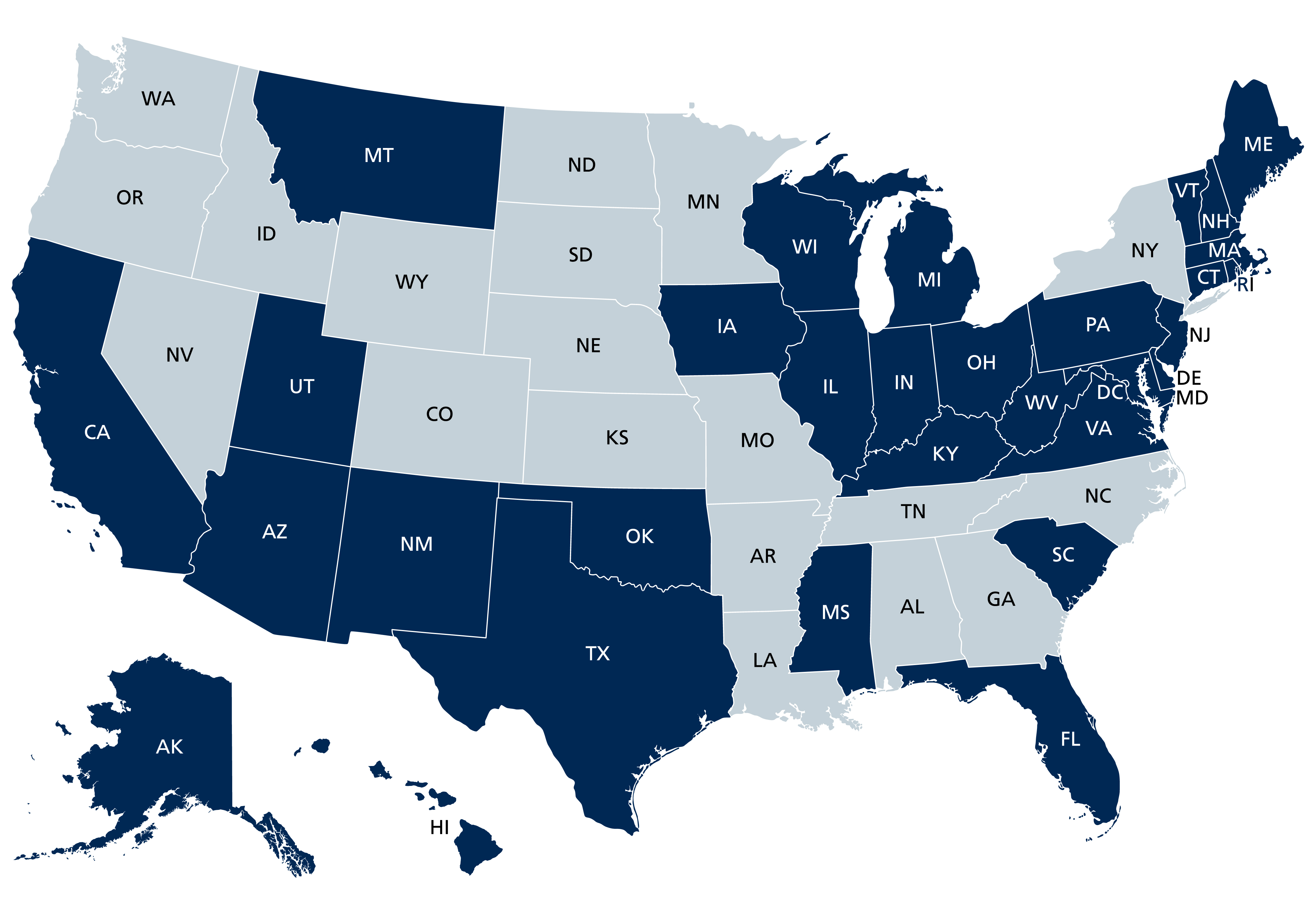
Please note that prior to beginning and continuing in any of the nursing programs with Wilkes University, you must be located in an authorized state and be licensed in the state where you intend to complete your clinical activities, per that state’s clinical requirements. Your location (which may be your state of residency) and clinical activity do not need to be in the same state, as long as Wilkes is authorized in both states.
Is a Master of Science in Nursing (MSN) – FNP the right fit?
Explore Wilkes FNP pathways for ADN/ASN and for MSN degree holders:


Wilkes University is dedicated to helping nurses and veterans advance their careers through flexible online programs designed to fit your goals. We provide resources and support to help you or a loved-one use eligible benefits, including:
- Dedicated support to help you leverage your GI Bill and education benefits
- Affordable tuition designed to reduce overall program cost and time to completion
- Flexible online nursing programs built for busy work and service schedules
- Strong student support, including clinical placement assistance (at no added cost) and licensure exam preparation
* The baccalaureate degree in nursing/master's degree in nursing/ Doctor of Nursing Practice and post-graduate/APRN certificate programs at Wilkes University are accredited by the Commission on Collegiate Nursing Education (www.ccneaccreditation.org)
Stress Less with Clinical Placement Support
Clinical practicums are an exciting opportunity for students to apply what they’ve learned in real-world settings. However, finding a local placement can be challenging, requiring significant time and effort to identify and secure clinical sites and preceptors.
We aim to take the stress out of the process by offering built-in clinical placement support—at no additional cost. Our team works diligently to secure high-quality placements that align with your goals and program guidelines, so you can focus on building your competencies as a nurse practitioner, not on navigating logistics.
Wilkes nurses have found success at leading healthcare providers including:
- Gelsinger
- Lehigh Valley Health Network
- St. Luke’s Health Network
While we cannot guarantee every clinical placement, our success rates consistently exceed the national average—highlighting our commitment to making the process as seamless as possible.

How Does the Clinical Placement Process Work?
The Placement Team will collaborate with you to help you secure quality placement sites and preceptors. In addition to completing a Placement Intake Form, you will be responsible for completing all of your clinical clearance requirements prior to the start of the clinical placement process.
*Your placement site may be up to 125 miles from your location.

When Will I Receive My Placement Details?
You will receive a notification from your dedicated Placement Coordinator prior to each clinical start date. Once the placement has been confirmed and communicated, you are encouraged to begin working with your preceptor directly to establish a schedule for the semester.

How Should I Prepare for Clinicals?
You are not alone in preparing for clinicals! Your Placement Coordinator will be with you through the entire process by answering your questions, providing a clinical orientation, verifying your clinical clearances and walking you through the clinical checklist. The checklist details the dress code, clinical tools and professional expectations to ensure your success throughout each rotation.

What Value Will the Placement Team Provide?
The Placement Team will help you identify and potentially secure quality placement sites. This process allows you to focus on the online coursework and the core competencies that will direct your placement experience. As an active participant in the placement process, providing referrals from your community increases your chances of securing quality sites and preceptors.
What Will You Learn During Clinicals?
Clinical placements are a cornerstone of the Wilkes MSN-NP program, offering students hands-on opportunities to apply advanced nursing skills in real-world settings. You’ll develop expertise in conducting comprehensive patient assessments, creating evidence-based care plans, managing chronic conditions, promoting wellness, and more.
Clinicals also emphasize leadership, teamwork, and patient-centered care, with opportunities to collaborate across disciplines and advocate. By the end of your clinical experience, you’ll be prepared to deliver specialized, high-quality care as a confident nurse practitioner.
As an MSN-NP student, here’s what you can expect during clinicals:
- Experience diverse healthcare settings, from hospitals to community clinics.
- Work with varied patient populations that align with your goals.
- Receive personalized support from Wilkes faculty, your Student Success Coach, and an on-site preceptor.
- Gain 1:1 mentorship to enhance your clinical expertise and confidence.
- Build valuable professional networks within your chosen specialty.
Sample Curriculum and Structure
Master of Science in Nursing — Psychiatric/Mental Health
To see the full program curriculum, access your free program guide.
Time to Complete
2.3 years
Courses
16 Courses
Clinical Hours
584 Hours
This course provides an overview of the normal physiologic and pathologic mechanisms of disease and serves as one primary component of the foundation for clinical assessment, decision-making and management. The course will prepare the advanced practice nurse for interpreting changes in normal function that results in symptoms indicative of illness in patients across the lifespan. (Credits: 3)
This course provides the basic principles of pharmacodynamics, pharmacokinetics and pharmacotherapeutics for broad categories of drugs. Purpose of action, common interactions and contraindications of major drug categories are highlighted. Case studies are integrated to provide students the opportunity to demonstrate application of pharmacological theory in advancing nursing practice. (Credits: 3)
The nurse practitioner will develop processes for formulating differential diagnoses of acute and chronic physical and mental illnesses in the primary care setting across the lifespan. A case-study approach is integrated to prepare students for management of health status of patients through the implementation of strategies specific to the synthesis of data from multiple sources that promote quality of care outcomes for patients. (Prerequisites: NSG 530, NSG 533; Credits: 2)
This course is designed to introduce the advanced practice nursing student to the issues facing culturally diverse, rural and underserved populations. The theory can be integrated into clinical practice for patients and families in primary care settings to promote an understanding of differences and issues that impact the comprehensive planning of healthcare services. (Credits: 2)
This course presents an overview of the full and comprehensive health assessment of patients across the life span. Emphasis on multiple aspects of assessment including physical, functional, and mental health assessment along with transcultural variations, will prepare the student for advanced nursing practice.
Get More Program Details
- Applications are currently being accepted for next intake
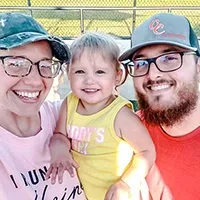
What really drew me to Wilkes was the fact that they had a dedicated clinical placement team. It was a game-changer. Having to find my own preceptor and clinical placement site was an immense stressor, so knowing they would take care of that was one of the biggest perks that attracted me to Wilkes.
Craig Patton, Master of Science in Nursing
How do Wilkes nurses demonstrate excellence?
By translating their knowledge into success on certification exams—proving they are confident and competent when it matters most. The table below highlights certification pass rates for Wilkes nurses across NP tracks, consistently exceeding national averages in recent years.
| YEAR 2023 | ||
|---|---|---|
| Program | Certification Pass Rate: All Takers | National Pass Rate |
| Psychiatric/Mental Health Nurse Practitioner (PMHNP) | 95.4% | 90% |
| Family Nurse Practitioner (FNP) | 84% | *74% |
| Adult-Gerontology Primary Care Nurse Practitioner (AGPCNP) | 91.6% | 80% |
*AANP National Pass Rate 2022, most recent data available
Read More About Wilkes Online FNP Program

Exploring Specialized Nursing Careers in Pennsylvania: What You Need to Know
Are you considering advancing your clinical career? Learn more about specialized nursing careers and nurse practitioner concentrations in Pennsylvania. Read More
The Role of PMHNPs in Modern Healthcare
Discover how PMHNPs are shaping modern healthcare by bridging mental and physical health for better patient care. Read More

Salary Trends and Job Outlook for Nurses in Pennsylvania - Wilkes MSN
Explore MSN-PMHNP programs in PA. Learn about nursing jobs, salaries, & continuing education for career growth. Read More